The Long Way Around: Inside Mabuta's Setlist Architecture

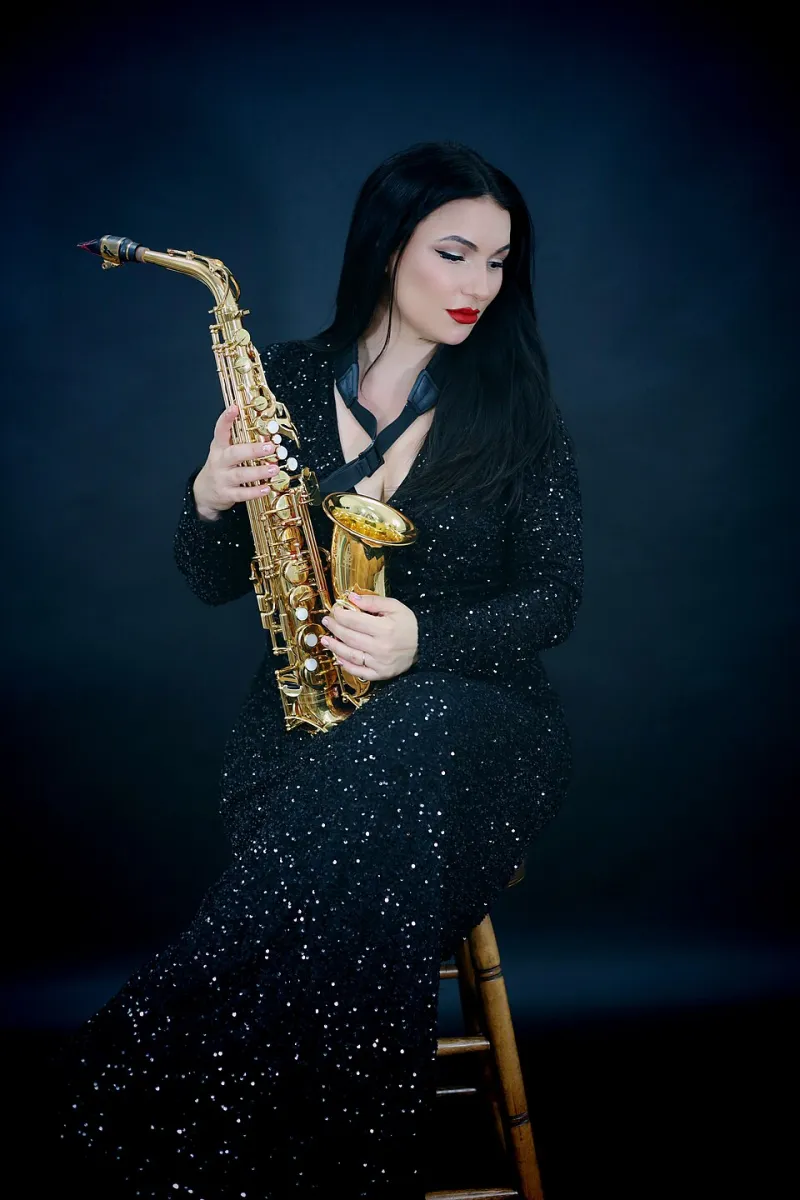
Photo: Paulojazz01, CC BY-SA 4.0, via Wikimedia Commons
There's a moment that happens at most Mabuta shows, usually around the third or fourth song. The crowd — often still filtering in from the bar, still shaking off the day — goes quiet in a way that doesn't feel forced. It's not the hush of a polite jazz club. It's the sound of people realizing they've been taken somewhere and deciding to let the ride continue.
That moment doesn't happen by accident. It's built.
A Setlist Is a Composition
Talk to any of the rhythm section players about how a Mabuta set comes together and the same word keeps surfacing: journey. Not a playlist, not a highlight reel of streaming hits strung together. A journey, with elevation, valleys, and a destination you don't fully see coming.
The band's home base of Cape Town has a lot to do with that instinct. The city's jazz lineage — the goema rhythms, the underground sessions that carried musicians through the apartheid years, the cross-continental conversations with American players — taught generations of South African musicians that a performance is a narrative form. You don't just play songs. You tell a story with them, in an order that means something.
For US audiences, that approach lands differently than it might elsewhere. American crowds raised on festival sets and three-song-then-thank-you routines aren't always primed for a band that wants to take its time. But when the pacing is right, the payoff is bigger. Mabuta's shows have been building a word-of-mouth reputation precisely because of that arc — the sense that the encore was earned, not scheduled.
The Shape of a Night
To get a feel for how this works in practice, here's a fictional but realistic breakdown of a typical Mabuta set — the kind of shape the band sketches out before a US club date, then bends to the room.
1. The Ignition. The night opens with a jazz-funk burner, drums and bass locked in a rolling Cape Town shuffle, keys sketching melodies that nod as much to 1970s South African township funk as to Herbie Hancock. The goal is simple: get bodies moving before anyone has time to think about whether they want to.
2. The Second Gear. A mid-tempo groove number, slightly more melodic, with the horn or flute stepping forward. This is where the band starts stretching out — a ten-bar drum break here, a bass solo that circles back on itself there. Transitions between this song and the next are often handled by the percussionist, who keeps a pattern alive under the change like a bridge holding traffic.
3. The Descent. Roughly a third of the way in, the band pulls the floor out. A contemplative piece — slow, spacious, maybe built on a hypnotic ostinato with the keys hanging chords in the air. This is the section that separates Mabuta from a party band. American audiences, used to being entertained at, get to be transported instead. The room leans in.
4. The Rebuild. Out of that stillness, the rhythm section begins the long climb back. It starts with texture — a shaker, a muted bassline — and layers instruments one at a time until the groove is fully airborne again. By the end of this stretch, the band is back in full flight, and the contrast makes the groove hit twice as hard.
5. The Convergence. The centerpiece, where the global elements braid together: African rhythms, jazz harmony, dubby space, maybe a melody that feels like it could have come from Lagos, Bahia, or New Orleans. This is the song the band sequences deliberately at the emotional peak of the night.
6. The Landing. A shorter, warmer number to bring people back to earth — often the point where the band acknowledges the city they're playing, a nod to the local scene, a thanks to the venue staff by name.
7. The Encore Question. And here's the thing: the encore isn't guaranteed. The band treats it as a genuine conversation with the room. If the energy's there, they'll come back out and blow the roof off. If the night called for something gentler, they'll return with a duo piece and let everyone leave softly.
Why Instrumentation Matters to the Arc
The sequencing only works because of who's playing what. Mabuta's rhythm section operates like a production team inside the performance — the drummer and bassist controlling momentum, the percussionist handling the connective tissue between songs, keys and reeds providing the color palette that shifts from fiery to foggy.
Transitions are rehearsed almost as seriously as the songs themselves. A vamping outro will slowly dissolve into a new tempo rather than stopping. A key change is smuggled in under a percussion break. The band avoids the dead air of tuning and counting-off between tunes, because every silence breaks the spell they've spent forty-five minutes casting.
That discipline is also why the band resists the temptation to re-order the setlist mid-tour to chase a viral moment. The order is the meaning. Move the quiet piece to the end and it becomes a lullaby instead of a pivot. Open with the epic and the rest of the night feels like an epilogue.
The American Room
There's a practical reality to touring the US, too. Clubs in Portland, Chicago, Brooklyn, and DC all have different energy, different curfews, different listening cultures. The band keeps the architecture of the set constant but adjusts the materials — swapping a burner for a mid-tempo number in a seated room, extending the dance-floor stretch in a standing venue.
What never changes is the intent. Every night is treated as a single piece of music with movements, not a collection of songs with pauses. It's a philosophy that comes straight out of the global jazz tradition the band lives in — the understanding that rhythm sections don't just keep time. They build worlds, one transition at a time.
If you've caught a Mabuta show stateside, you know the moment: the one where you stop checking your phone and start listening with your whole body. That's the setlist working. That's the journey doing what it was built to do.