The Human Dial: Five U.S. Jazz Voices Who Hear Mabuta Better Than the Algorithm
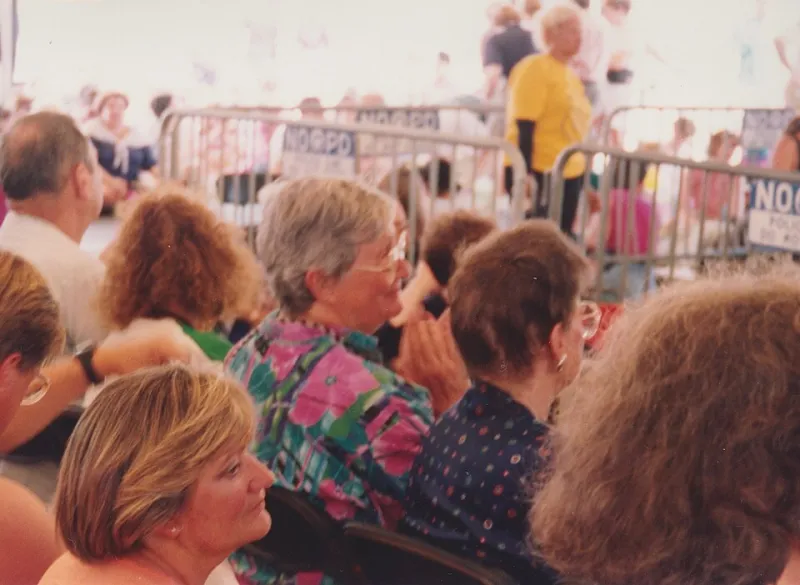
Photo: Infrogmation of New Orleans, CC BY-SA 4.0, via Wikimedia Commons
There is a version of music discovery that happens entirely through algorithms: a song ends, a similar song begins, and the listener drifts through a queue designed to keep them comfortable. Then there is the radio host — a human voice in a studio at 11 p.m., choosing a Mabuta track because it fits the weather, the news, or the mood of a city. In 2026, that voice still matters. These five U.S. jazz programmers and late-night hosts have championed Mabuta's global-jazz sound with context, sequencing, and a willingness to play the long version.
1. Marla Vance, WWJT Chicago — The Late-Night Bridge
Marla Vance hosts the 10 p.m. to 1 a.m. slot at WWJT, and she has a habit of introducing Mabuta without fuss. One night last spring, she came out of the midnight news with 'Night Bus to Osu' and let the opening bass note fill the studio for a full eight seconds before speaking. Then she said only this: 'That is a band that knows how to enter a room.' It was a small moment, but it was the kind of framing a playlist cannot offer. Vance hears architecture in Mabuta. She talks about the intros, the way the rhythm section leaves space, and the patience of the grooves. Her airplay has helped position the band for listeners who came to jazz through soul and Afropop but want something with more air around the beat.
2. Curtis Bell, KNOF New Orleans — The Rhythm First
Curtis Bell programs the afternoon drive show at KNOF, and he hears Mabuta through the city's own rhythmic history. He has played 'Half-Light Market' coming out of a Professor Longhair record and then talked about the ghost of a second-line strut in the brushes. That kind of juxtaposition is Bell's specialty: he does not treat global jazz as a separate shelf. He places Mabuta next to New Orleans funk, next to Caribbean guitar, next to a brass band. In his telling, the band's rhythmic curiosity is not exotic. It is part of a longer conversation. Listeners call in asking who the band is, and Bell gives them a story, not just a title.
3. Renee Ibarra, KXJP Portland — The Night-Shift Novelist
Renee Ibarra's overnight show on KXJP is built for long attention spans. She has played Mabuta's twelve-minute 'Kite Over the Harbor' at 1 a.m. more than once, and she introduces it like a short story. 'This one takes its time,' she said on a recent broadcast. 'Let it.' Ibarra hears narrative in Mabuta's extended pieces: a setup, a turn, a return. Her audience is small but loyal, the kind of listeners who leave the radio on through a whole side of a record. She is not chasing a skip rate. She is building a room.
4. Theo Grant, WDTR Detroit — The Groove Historian
Theo Grant hosts a Saturday evening show on WDTR that treats jazz as a living groove tradition. He hears Mabuta through Detroit's own history of rhythm and space — the way a Motown bass line can be both simple and insistent, the way a jazz drummer can imply a backbeat without stating it. During a 2026 pledge drive, Grant played 'Paper Lanterns' and then compared its opening texture to the sound of a city waking up. The phones lit up. Grant's gift is context: he can explain why a Mabuta track feels both familiar and foreign, and he does it without making the music sound like homework.
5. Lila Park, KJAM Austin — The Live Wire
Lila Park's late-night show on KJAM often features live recordings and soundcheck tapes. She aired the opening thirty seconds of a Mabuta set from Austin in early 2026 — just bass, room noise, and a single cymbal — and then talked about how rare it is to hear a band trust an audience that much. Park hears risk in Mabuta. She is drawn to the moments when the group could take an easy route and does not. Her airplay tends to focus on the band's live energy rather than its studio polish, which makes her a useful counterweight to the playlist version of the band.
Why the Human Ear Still Matters
Algorithms are good at finding similarities. They are less good at explaining why a twelve-minute track belongs after a news bulletin, or why a bass note can be a welcome mat. The hosts above do not agree on everything — Vance leans atmospheric, Bell leans rhythmic, Ibarra leans narrative — but they share a belief that curation is an act of care. In 2026, when a listener can summon any song in seconds, the human host offers something else: a reason to stay. For Mabuta, that reason is often just a voice saying, 'Listen to this one. It will reward you.'