Patience Is a Hook: Why Mabuta's Twelve-Minute Tracks Deserve Single Status
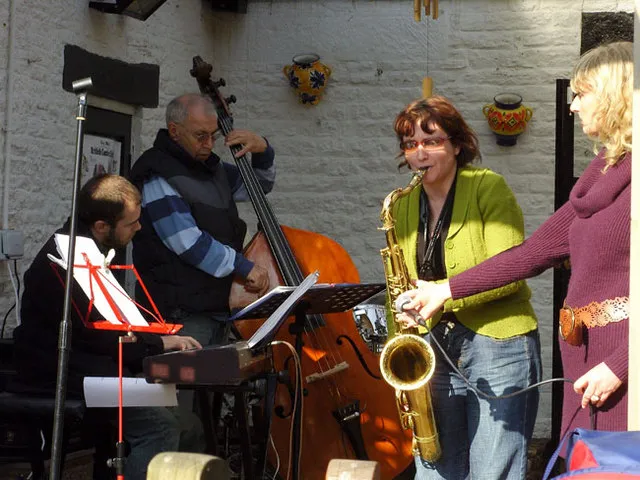
Photo: Dave Wilcox, CC BY-SA 2.0, via Wikimedia Commons
There is a piece of received wisdom in modern music marketing that goes something like this: keep it short, get to the hook, and do not ask for too much attention. It is advice built for a world of skips, short-form video, and playlists that reward immediate gratification. Mabuta has never fully obeyed it. The band's longer tracks — some stretching past ten minutes — are not indulgent detours. They are the most interesting commercial bet the group makes.
The Three-Minute Rule Was a Format, Not a Law
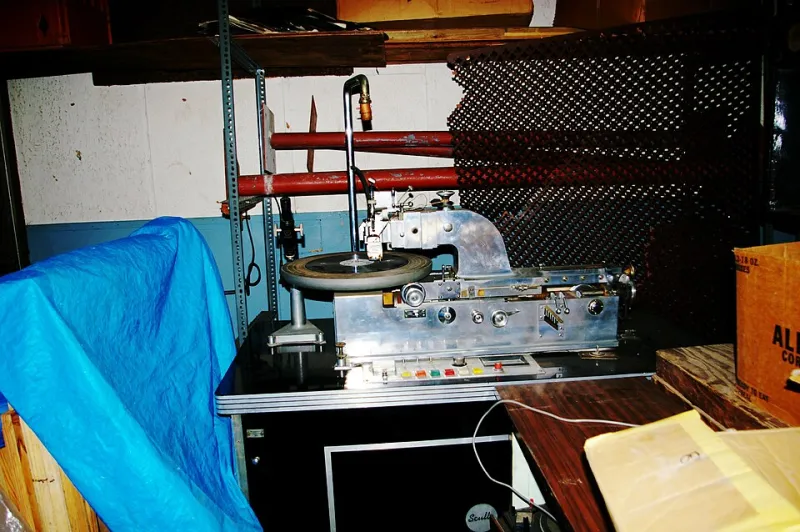
The three-minute song did not emerge from a universal truth about human attention. It emerged from the physical limits of a 45 rpm record and the needs of mid-century radio. That format shaped generations of songwriting, and it produced plenty of great music. But it was always a container, not a commandment. Streaming has changed the container again. A listener can now hear a twelve-minute track without flipping a record or waiting for a radio station to play it. The question is not whether long songs are possible. It is whether they can still be discovered.
Mabuta's answer is to make length feel like an event. A twelve-minute track is not a shorter song stretched thin. It is a composition with its own architecture: a slow build, a mid-section that opens up, a return that feels earned. When the band plays these pieces live, the length is part of the experience. The audience is not waiting for the chorus. The audience is inside the groove.
What a Long Track Does in a Room
At a 2026 U.S. date, Mabuta played 'Kite Over the Harbor' for nearly twelve minutes. The room did not go quiet in the reverent, uncomfortable way that sometimes happens at jazz shows. It went quiet in the way a room goes quiet when everyone is listening to the same thing. People stopped checking their phones. The groove repeated, shifted, and repeated again. By the time the melody returned, it felt like a reunion rather than a repeat.
That is the live case for long-form. A short song can be a hit. A long song can be a place. Mabuta's longer pieces give the audience time to settle into a tempo, to hear how the drummer changes a pattern by a fraction, to notice the bassist choosing silence over a fill. Those details are not extras. They are the reason people go to see the band instead of staying home with a playlist. Length, in this context, is not self-indulgence. It is hospitality.
What the Dashboard Misses
The streaming dashboard tends to tell a blunt story: completion rate, skip rate, save rate. By those measures, a twelve-minute track looks risky. A listener might leave after ninety seconds. A playlist editor might pass. But the dashboard cannot measure the listener who plays the same long track three times in a row because it became a ritual. It cannot measure the fan who sends the full track to a friend with the message, 'Start at six minutes.' It cannot measure the live moment when a room full of people realizes they are all in the same long groove.
Mabuta's longer tracks are not designed to win every listener in the first thirty seconds. They are designed to win the right listener completely. That is a different commercial strategy. It trades broad, shallow reach for deep, repeat engagement. In a crowded market, depth is a form of distinction. A band that can hold attention for twelve minutes is making a promise that few others can make.
The Case for the Long Single
Calling a twelve-minute track a single may sound like a contradiction. But the word 'single' has always meant a statement, not just a radio-friendly length. Mabuta's long tracks function that way. They are the songs fans talk about after the show. They are the ones that generate the late-night texts, the forum threads, the 'you have to hear this' recommendations. They are not album filler. They are the centerpiece.
There is also a practical argument. Long tracks give radio hosts and human curators something to program with intention. A twelve-minute song can anchor a late-night set. It can create a moment of shared listening in a world of constant interruption. It can make a case for the band that a three-minute pop song cannot: that Mabuta is not just a vibe, but a practice.
A Bet on the Listener
In the end, the long track is a bet on the listener. It assumes that some people still want to be taken somewhere, not just entertained for a moment. Mabuta's willingness to stretch a groove is not a rejection of commercial reality. It is a canny response to it. In 2026, attention is the scarcest resource in music. A band that can reward long attention is offering something rare. That is not a liability. It is the hook.