Soundcheck in a Strange City: The Quiet Logistics Behind Mabuta's US Run
There's a moment that happens in almost every city on a Mabuta US tour. The band walks into a venue they've never seen, the load-in door is narrower than promised, and the house engineer asks, politely, what they'll need. It's the moment the romance of touring collides with the paperwork.
For a listener, Mabuta's music sounds effortless — the Cape Town jazz lineage, the West African rhythmic pull, the dubby electronic textures all flowing together like it was recorded in one room. Getting that sound onto an American stage, eight or ten nights in a row, is anything but effortless. It's a logistical craft, and it starts months before anyone picks up an instrument.
The Paperwork Before the Music
The first hurdle is the one nobody puts on a poster: visas. For a South African ensemble touring the US, the O and P visa process is a months-long affair — petition letters, itinerary confirmations, advisory opinions from American arts organizations vouching for the band's cultural standing. Miss a deadline and a whole run of dates collapses.
"People assume the hard part is the flying," one longtime US promoter who has worked with Southern African acts told us. "It's not. It's proving to a government office that your band matters enough to cross a border. Then you have to prove it to a booking agent, a venue, and an audience that's never heard of you."
That's the quiet reality of globe-spanning jazz in America. Mabuta isn't a stadium act. It plays listening rooms, small festivals, university series — the infrastructure where world music actually lives in the US. Every date has to earn the next one.
Reading the Room, Then Rewriting the Set
Once the band lands, the work becomes musical. Mabuta's catalog stretches from the hushed, cinematic material on their early records to longer, more percussive workouts, and the same setlist does not work everywhere.
A seated theater in the Midwest asks for patience and dynamics — you can hear a pin drop between phrases, and the band can lean into the spacier material. A late-night club in New York, with people standing near the bar and conversation as a constant, demands grooves that assert themselves. Festival main stages, with their cavernous PA systems and short changeovers, compress everything: shorter arrangements, sharper endings, more emphasis on rhythm that carries to the back of the field.
The band treats this as part of the composition rather than a compromise. Songs get rearranged on the road — an intro stretched because the audience leaned in, a bridge cut because the night called for momentum. Regular collaborators describe Mabuta's live book as a living document, adjusted at soundcheck depending on what the room tells them.
And rooms in America tell you a lot. The old jazz clubs with low ceilings and history in the walls. The converted warehouses where the reverb time seems to be measured in seconds. The outdoor festival stages where the wind does half the mixing. Each one reshapes the performance.
What a Promoter Actually Does
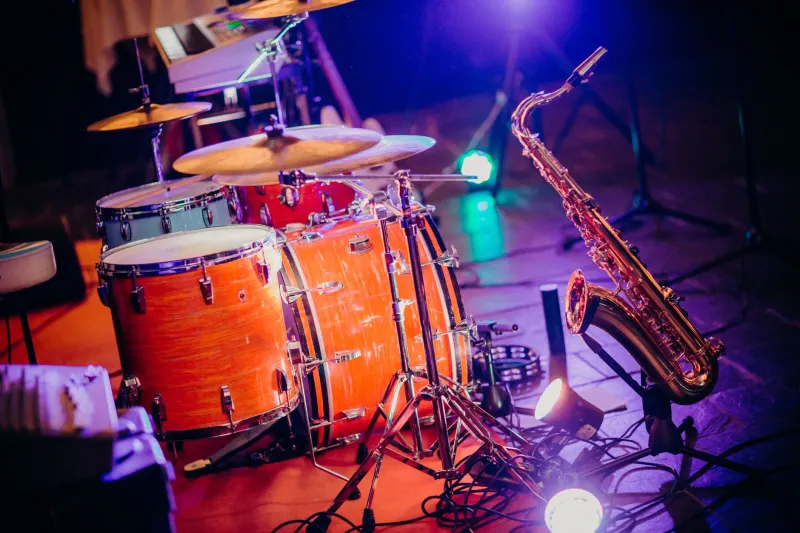
Behind every date on the itinerary is someone juggling a dozen small crises. Sound engineers booked in advance. Backline riders — amps, keyboards, the specific percussion the band can't easily fly with. Ground transport between cities that American tour routing pretends are close together.
Routing is its own dark art. A band flying in from overseas can't afford to zigzag the country, so dates get stacked regionally: a Northeast cluster, then down the coast, then wherever the festival calendar allows. That's why Mabuta's US runs tend to look like a slow arc rather than a scatter plot — every extra drive hour is money and energy the band doesn't have to spare.
Promoters who work with international acts talk about the responsibility of context, too. Program notes, introductions from the stage, local press that treats the music as more than an exotic curiosity. When it's done right, an audience walks in knowing something about where the music comes from — and walks out having heard a band, not a genre.
The Payoff, Night After Night
Ask the band why they keep making the trip, and the answer usually comes back to the soundcheck — that half-hour in a strange city before anyone arrives, when the room is empty and the first notes go out. It's the same ritual everywhere, from Cape Town to Chicago to a Tuesday in Portland. Play a note. Listen to what the room gives back. Adjust.
By showtime, the strange room is theirs. The audience feels it without knowing the journey it took: the visa file, the van hours, the setlist rewritten over dinner. They just hear a band from the southern tip of Africa, playing like it was always meant to happen here, tonight.
That's the real transport in "night transport" — not the flights, but the way a well-traveled band carries its sound across borders and sets it down, intact, in a room full of strangers. Everything else is logistics. The music is the destination.