Miles Between Notes: The Fan Ritual Turning Mabuta’s 2026 US Dates Into Weekend Pilgrimages
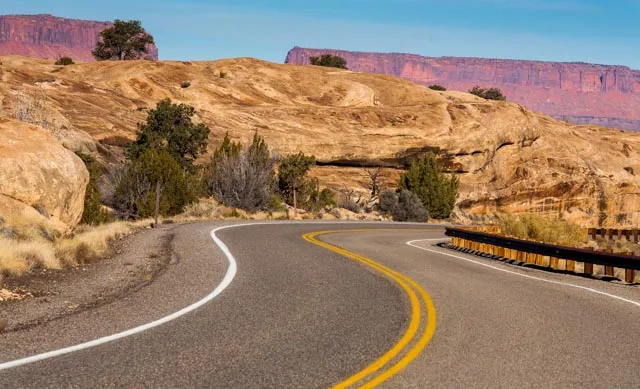
Photo: Frank Kovalchek from Anchorage, Alaska, USA, CC BY 2.0, via Wikimedia Commons
The parking lot after a Mabuta show does not empty the way most parking lots do. People linger by open trunks, trading city names and setlist notes, asking the same question in different accents: “How far did you come?” In 2026, the answer is often farther than the ticket price suggests. A couple from Indianapolis has driven to two Midwest dates. A group of friends from Asheville turned a single Southeast show into a three-day loop. A retired teacher from outside Denver booked a hotel before she booked the ticket.
That is the quiet story of this US run. Mabuta’s global-jazz sound may travel light — a few instruments, a flexible set, a room that listens — but the audience is treating the tour like a destination. Not a stop on the way home. A reason to build a weekend around 90 minutes of music.
The Drive Is Part of the Set
“We could have seen them closer to home,” says Maya, a graphic designer from Milwaukee who drove with two friends to a midsize club in Columbus and then continued to Detroit. “But the point was the whole trip. We made a playlist for the car, stopped at a record shop we’d been meaning to visit, and got to the venue early enough to actually settle in. By the time the first tune started, the show already felt like it had been going for two days.”
That sentiment comes up again and again. For Mabuta listeners, the road is not dead time. It is warm-up. It is context. It is a way of separating the show from the rest of the week. Fans describe building small rituals around the drive: a specific gas-station stop, a shared thermos, a promise not to play the new album until the car crosses the state line.
“There’s a threshold around 300 miles,” says Devon, an independent promoter who has worked several US jazz and world-music dates. “Under that, people will drive in and drive back the same night. Over that, they start asking about hotels, parking, food, what else is happening in town. Mabuta is right in that sweet spot where the trip feels like a choice, not a chore.”
Why Global Jazz Rewards a Weekend
Mabuta’s music does not ask to be consumed in a hurry. The band’s sets tend to unfold in long arcs — a bass figure that circles before it lands, a horn line that opens into something closer to a conversation than a chorus. For listeners who have come up through jazz clubs, festival stages, and late-night public radio, that pacing invites a different kind of attention. You do not need to catch every lyric. You need to be present.
And presence is easier to arrange when you have cleared a weekend for it.
“I’ve seen people plan entire trips around one artist before, but it’s usually a bigger production — a stadium act, a festival headliner,” says Renee, a house manager at a 400-capacity venue in the Midwest. “With Mabuta, it feels more personal. Fans arrive early. They ask where to eat. They buy the record at the merch table and then ask us to hold it behind the bar so it doesn’t get bent. They’re treating the night like an occasion.”
Venue staff notice the pattern in small ways. Out-of-state IDs at the door. More questions about coat check and nearby coffee. A spike in early arrivals that has less to do with security lines and more to do with wanting to be in the room before the room fills. “The show starts at eight,” Renee says, “but the night starts when they get into town.”
Promoters Are Learning to Read the Map
For promoters, the road-trip audience is both an opportunity and a puzzle. A single strong market can support a date, but a cluster of nearby cities can support a whole weekend of them. The challenge is not convincing fans to travel. It is making the travel feel worth it.
“You start thinking in pairs,” Devon says. “Not just ‘What’s the radius clause?’ but ‘What’s the route?’ If someone is driving three hours, what else can they do? Is there a record store? A good brunch spot? A museum? The bands that build loyalty are the ones that make the surrounding city part of the experience, even if it’s just by being honest about where to park.”
That honesty matters in a touring landscape where costs are high and attention is fragmented. Mabuta’s US run in 2026 has benefited from fans who are not just buying a ticket but recruiting friends, splitting gas money, and turning the show into a group text that lasts for weeks. In some cities, promoters report seeing the same faces at multiple dates — not because the set is identical, but because the ritual is.
The Shared Ritual, Not the Souvenir
Ask fans what they take home and few mention a T-shirt first. They mention the drive. The diner. The moment the band dropped into a rhythm that made the room lean forward. The friend who came along and did not know the music but left with a new favorite record.
“I used to think of live music as a one-night thing,” Maya says. “You go, you watch, you drive home. But this tour has changed that for me. Now it’s a weekend. It’s a story. It’s the thing we talk about on Monday.”
That shift — from a stop to a shared ritual — is the real encore of Mabuta’s 2026 US dates. The band plays the set. The audience builds the weekend around it. And somewhere between the interstate and the venue door, a global-jazz act becomes a reason to gather, not just a reason to listen.