The One That Got Away From the Studio: Mabuta’s Living, Breathing Live Staple
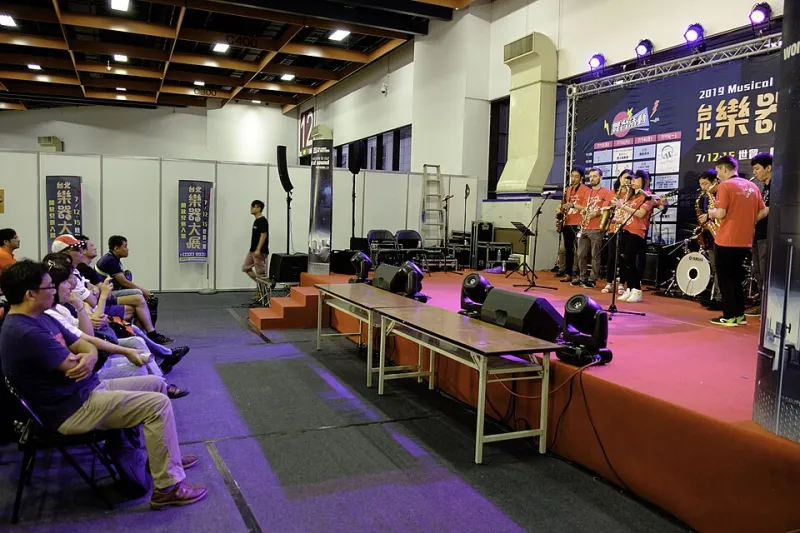
Photo: 玄史生, CC0, via Wikimedia Commons
Every tour has a song that refuses to be finished. For Mabuta, on the 2026 US run, it is the piece fans have started calling 'Slow Arrival'—a working title, not an official one, for a composition that has appeared in different forms and has never been announced for a studio release. It is not a new song in the sense of being recent. It is new every night, which is a different thing.
A Song With No Release Date
The first thing to know about 'Slow Arrival' is that there is no definitive version. No single, no album track, no lyric video. There are fan recordings: a phone held above a crowd in Chicago, a Zoom recorder smuggled into a Philadelphia club, a video from a seated room in Brooklyn where the audience is so quiet you can hear the bassist’s fingers. Each capture is imperfect, and each one tells a different story.
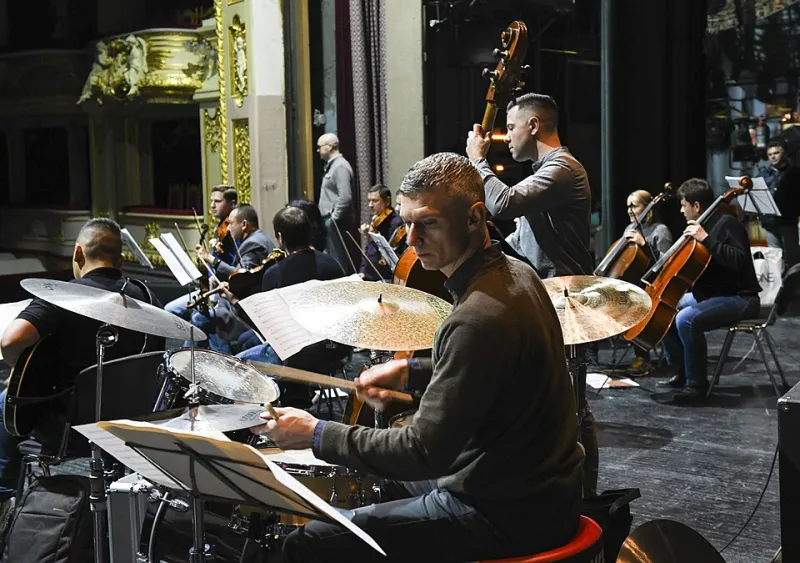
On some nights, the piece begins with a lone bass figure, patient and repetitive, like someone pacing a hallway. On others, it opens with a cymbal wash and a few notes from the keys, as if the band is testing the room’s humidity. The horns enter at different points. The tempo shifts by a few beats per minute. The ending is rarely the same twice. Sometimes it resolves on a soft chord; sometimes it just stops, leaving the applause to fill the space.
Night-to-Night Evidence
Listen across the 2026 US dates and a pattern emerges. The song gets longer in rooms with good natural reverb and shorter in rooms with hard, bright surfaces. That is not a coincidence. Mabuta is a band that adjusts to the space, and 'Slow Arrival' is the clearest example. In a Chicago club with a low ceiling, the band leaned into the low end and let the groove settle. In Philadelphia, the same material felt more agitated, with the drummer pushing the hi-hat and the horns answering in shorter phrases.
Fans have noticed. On message boards and group chats, people compare timestamps the way sports fans compare box scores. 'The Cleveland version has the best bass solo.' 'No, the Boston one—listen to the last two minutes.' This is not obsessive trivia. It is evidence of a song being built in public, one night at a time.
Why It Resists the Studio
The obvious question is why Mabuta has not recorded it. The obvious answer—that the song is not finished—is only partly true. The deeper reason is that 'Slow Arrival' depends on unpredictability. Its form is not a fixed sequence of sections but a set of instructions for listening: wait, breathe, respond. In a studio, that can be captured, but it can also be flattened. A click track can make the patience feel metronomic. A perfect take can remove the risk that makes the piece work.
There is also the matter of audience. Mabuta’s global-jazz language is conversational, and this song is a conversation with the room. The hush before the first note is part of the composition. The clink of a glass. The distant siren. The way a crowd leans in. Those things do not survive a sterile overdub session. They can be faked, but faking them would miss the point.
The Room Is the Arrangement
That does not mean the song should never be recorded. It means any studio version would have to choose a room, a night, a mood—and then commit. A live album could do it. A single-take session with the band facing each other and no headphones could do it. What would not work is a piecemeal construction that treats the song as a grid to be filled.
For now, 'Slow Arrival' remains a live staple and a fan project. It is the song that never makes the record, and that is exactly why people keep talking about it. Mabuta’s 2026 US dates have given the piece a dozen different lives. The next city will give it another. If you are going to a show, put your phone down for the first few minutes. Let the song arrive without a screen. You can compare notes later.