Five American Rooms That Would Rewrite Mabuta's Route

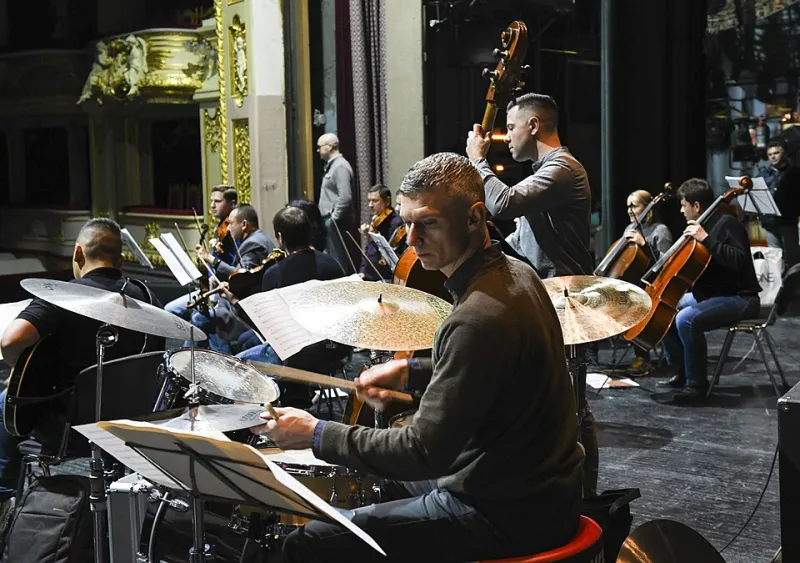
Photo: Utah Jazz, Public domain, via Wikimedia Commons
Tour routing usually follows the obvious map: New York, Los Angeles, Chicago, maybe Austin or Seattle. Those cities matter, and Mabuta's 2026 US run made good use of them. But a global-jazz band does not only need big markets. It needs rooms with specific character and audiences with specific habits. Here are five American cities that would change Mabuta's route for the better, each for a musical reason rather than a tourist one.
Detroit, Michigan
Detroit belongs on this list because of its listening culture, not its skyline. The city has a deep jazz lineage and a present-tense scene that treats rhythm sections with respect. Mabuta's music depends on the bass-drum conversation, and Detroit audiences tend to hear that conversation first. A room like the kind found in the city's cultural center or a restored neighborhood venue would give the band a crowd that does not need to be warmed up with volume. The set could lean into mid-tempo grooves and stretched forms. The audience would follow.
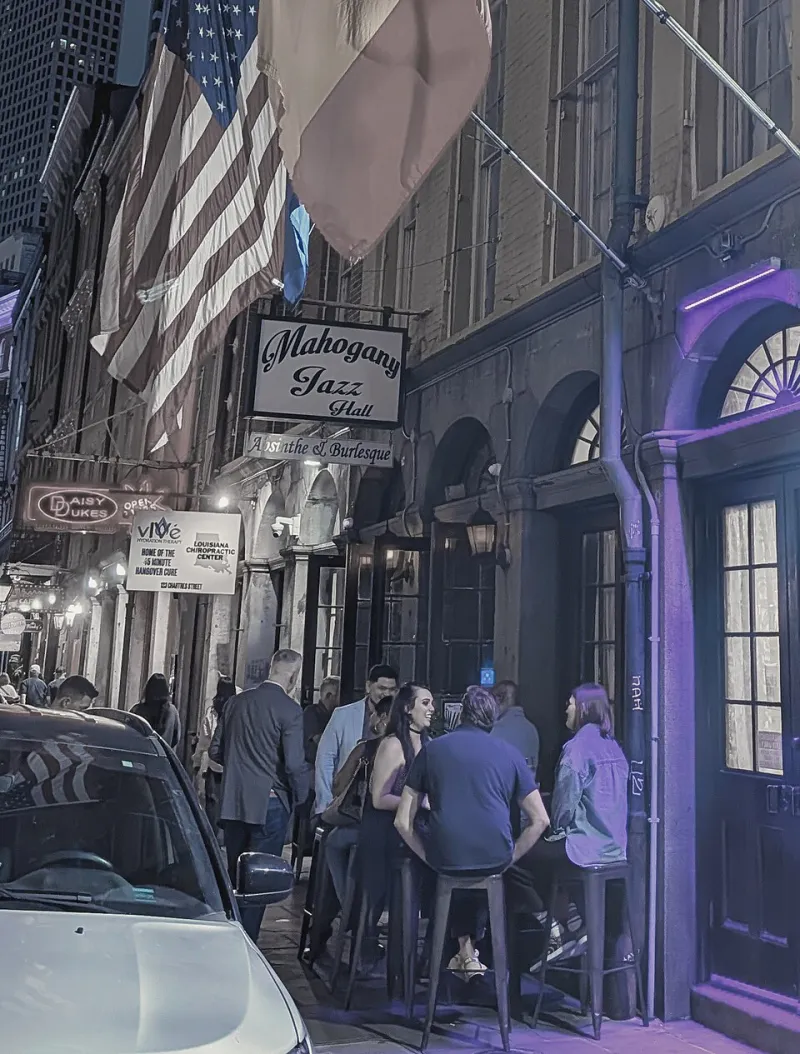
New Orleans, Louisiana
The case for New Orleans is not a cliché about brass and parades. It is about time feel. Mabuta's global-jazz language often works with overlapping rhythms that do not resolve neatly. New Orleans audiences are fluent in that kind of layering. They hear the second line under the straight beat. They know how a drum pattern can imply two things at once. A club date there would push the band's rhythm section in a useful direction and would give the horn players a room where the crowd understands that repetition is not a mistake. It is a conversation.
Baltimore, Maryland
Baltimore is an overlooked jazz corridor with a strong small-room tradition and a younger audience that crosses scenes. That matters for Mabuta because the band's music is not strictly a jazz-club proposition. It attracts listeners from indie, experimental, and global-music circles. Baltimore has the kind of mid-size venues where those audiences mix without the night feeling like a genre lecture. A Tuesday or Wednesday show there could become a word-of-mouth date, the kind that turns a routing stop into a repeat visit.
Portland, Oregon
Portland earns a place for two reasons: acoustics and attention. The city has a network of rooms with wood, low ceilings, and audiences that are used to sitting through quiet music. Mabuta's quietest passages need that. In a Portland room, a bass note could hang in the air without being eaten by a bar crowd. The band could program a more spacious set, with longer introductions and less pressure to hit a festival-style climax every ten minutes. That is not a niche concern. It is a different show.
Pittsburgh, Pennsylvania
Pittsburgh is a jazz city with a neighborhood feel and a strong history of local players who understand groove. It is also a city of hills and odd room shapes, which sounds like a logistics headache but can be an acoustic advantage. A show there would put Mabuta in front of an audience that values musicianship without treating it as a museum piece. The band could test new material in a room that rewards dynamics rather than size. That is how a routing map becomes a creative tool.
What These Cities Have in Common
None of these picks are about tourism. They are about conditions: audiences that listen, rooms that return sound, and local scenes that connect jazz to other music without diluting it. Mabuta's 2026 US run showed that the band's music changes when the room changes. The quiet passages get more visual. The rhythm section gets more conversational. The setlist can breathe.
A routing wish-list is not a demand. It is a way of thinking. If Mabuta adds one or two of these cities next time, the reward will not be a new pin on the map. It will be a different kind of show: more specific, more local, and more alive to the room it is in.